Why Kids Stepping Stones Are a Smart Addition to Playtime and Learning Why Kids Stepping Stones Are a Smart Addition to Playtime and Learning
Why Kids Stepping Stones Are a Smart Addition to Playtime and Learning
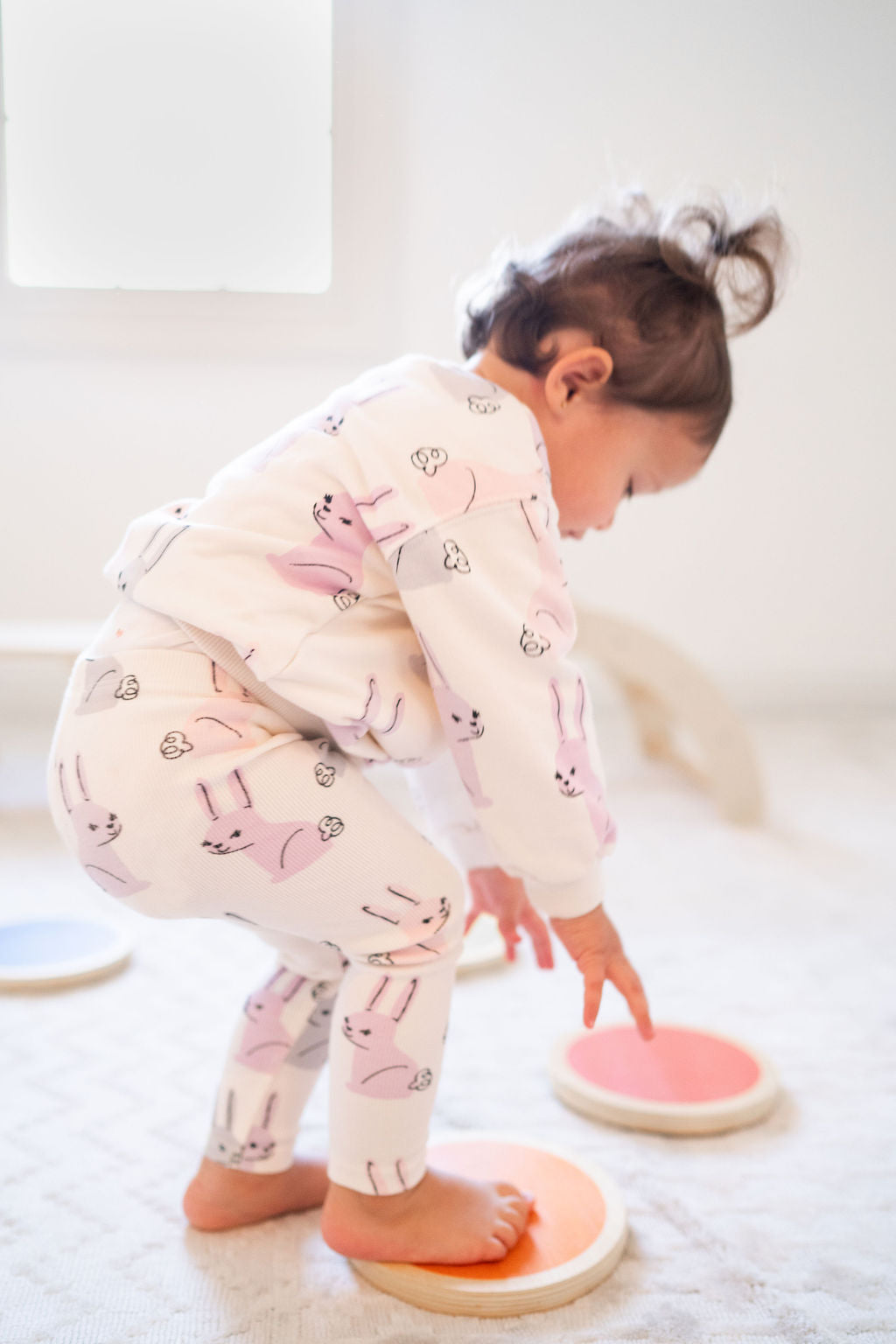
Kids stepping stones may look like simple toys, but they are powerful tools for child development. These small, colorful platforms are designed for movement-based play and are often seen in homes, classrooms, and therapy settings. When arranged on the floor, they create a playful path that encourages balance, coordination, and imagination.
Whether your goal is to boost motor skills, create an active play zone, or just give your child a fun way to stay moving indoors, a set of stepping stones can be a smart and flexible addition to daily routines.
What Are Kids Stepping Stones?
Kids stepping stones are lightweight objects made from materials like foam, rubber, or plastic. Children can walk, jump, or crawl between them as part of physical or sensory play. Some are flat and wide, while others are raised or curved for more of a challenge.
You can find stepping stones in many shapes—circles, triangles, animal prints, and more. Most sets come in bright colors to attract attention and keep children engaged. Some even include numbers or textures to add a learning element to the activity.
They’re popular in home playrooms, daycares, occupational therapy spaces, and outdoor playgrounds. Because they’re easy to move and store, they work well in both small and large areas.
Key Benefits of Kids Stepping Stones
1. Improve Balance
One of the main benefits of kids stepping stones is balance training. As kids step from one stone to the next, they learn how to control their bodies. This is helpful for toddlers who are still learning to walk, as well as older children working on core strength and body awareness.
2. Strengthen Muscles
Hopping or stepping onto different-height stones builds lower-body strength. Children use their legs, hips, and core muscles to stay upright and move smoothly. These skills are important for later activities like climbing stairs, riding bikes, and playing sports.
3. Boost Coordination
Walking across uneven surfaces helps children connect visual input with movement. They learn to place their feet carefully and adjust quickly when the surface changes. This improves both gross motor coordination and reaction time.
4. Support Sensory Processing
Some kids stepping stones come with rough, bumpy, or rubbery textures. These features can help children who need extra sensory input to stay focused and calm. It’s also useful for kids who need to improve tactile awareness or body positioning.
5. Build Confidence
Stepping from one point to another may seem simple, but it gives children a sense of control. As they succeed at crossing longer or harder paths, they begin to trust their abilities. This builds self-confidence and encourages independence.
Everyday Ways to Use Kids Stepping Stones
Indoor Obstacle Course
Create a fun path across the living room or playroom. Mix the stepping stones with pillows, boxes, or tunnels for a full-body challenge.
Rainy-Day Activity
When it’s too wet or hot to go outside, stepping stones can be set up on the floor to burn energy indoors. They’re soft and safe, so they won’t damage floors or furniture.
Classroom Movement Breaks
Teachers often use stepping stones during breaks or transitions. Short physical tasks help students release energy and refocus on learning.
Therapy Tools
Occupational and physical therapists use stepping stones during sessions to work on balance, posture, and body control. They’re helpful for children with developmental delays or sensory processing needs.
Backyard Games
If made from water-resistant materials, stepping stones can be used outside on grass or pavement. Some sets include anti-slip bottoms for added safety outdoors.
Choosing the Right Stepping Stones for Kids
When shopping for kids stepping stones, pay attention to the following:
Material
Foam stepping stones are lightweight and soft, great for younger toddlers. Rubber or plastic versions are more durable and work well for outdoor use or older kids.
Size and Shape
Wide, flat stones are more stable and easier for beginners. Smaller or sloped stones require more balance. Some sets include a mix so kids can build skills over time.
Texture
Some stones are smooth, while others have ridges or bumps. Textured surfaces are better for sensory play and grip. If your child plays barefoot, texture may also help them feel more secure.
Non-Slip Base
Always check for a non-slip bottom, especially if the stones will be used on hard floors or tile. This reduces the risk of sliding and makes the activity safer.
Weight Capacity
Make sure the stones are strong enough to support your child’s weight. Most products list a limit, and it’s best to follow that to avoid breaks or accidents.
Storage and Portability
If space is limited, go for a set that stacks easily or includes a storage bag. Lightweight stones are easier to move from one room to another or take outside when needed.
Creative Game Ideas with Kids Stepping Stones
Here are some simple and engaging ways to use your stepping stones at home or in a group setting:
Color Dash: Call out a color and have the child jump to a matching stone.
Simon Says Balance: Give slow balance-based directions like “stand on one foot” or “touch your toes.”
Story Path: Use the stones to build a path for a stuffed animal or action figure, and let your child create a story.
Timed Runs: Use a stopwatch and see how fast your child can cross the course.
Counting Steps: Add numbers to the stones and have children step on them in order, counting out loud.
Games like these can be adjusted to suit different ages and abilities. Best of all, they make physical activity fun without needing any screens or electronics.
